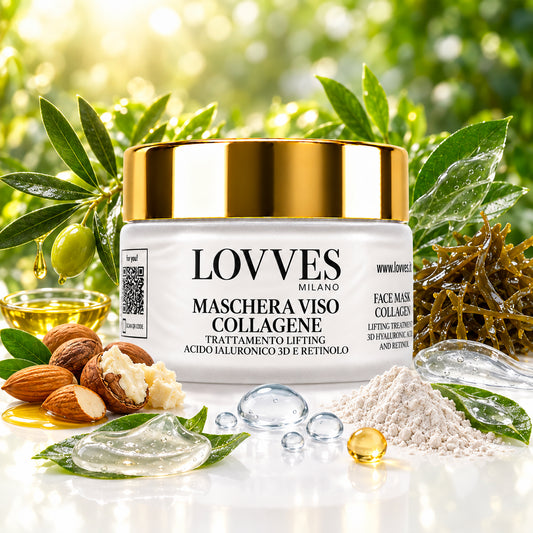
Creams for deep wrinkles can make the skin more hydrated, smoother, and more radiant, mainly reducing the appearance of lines made more pronounced by dehydration. However, they do not eliminate deep folds, loss of volume, or already marked skin laxity. For realistic cosmetic results, a consistent routine with sun protection and well-tolerated active ingredients matters more than an expensive cream used occasionally.
What a cream can really do
A deep wrinkle results from changes involving multiple layers: repeated movement of the facial muscles, exposure to UV rays, reduced collagen and elastin, loss of support, and the natural thinning of the skin. A cream works mainly on the skin’s surface and, depending on the formula, may support skin renewal over time. It cannot structurally fill a crease or stop facial movements.
The most immediate effect is often due to humectants and emollients. By attracting and retaining water, the formula makes the surface layer appear plumper and lines less noticeable. This is a useful improvement, but it is variable and temporary. Treatment active ingredients, on the other hand, require weeks of regular use and may provide a gradual refinement of skin texture and the appearance of wrinkles.
Be wary, therefore, of promises of instant erasure or identical results for everyone. The best choice depends on the location of the wrinkles, skin sensitivity, sun exposure, products already in use, and consistency of application.
Ingredients to look for in a formula
There is no need to accumulate many products: it is more useful to identify one or two active ingredients suited to your routine. For highly visible wrinkles, daily UV protection and an active ingredient that promotes renewal are generally the most sensible foundations, provided your skin tolerates them.
- Retinoids and retinol: these are among the most commonly used cosmetic active ingredients to improve texture, evenness, and fine lines over time. They can cause dryness, stinging, or flaking, especially at first.
- Peptides: these are ingredients found in many anti-aging formulas. They can be a comfortable choice for those who want a supportive serum or cream, without expecting a filling effect comparable to a medical treatment.
- Niacinamide: it can support barrier function and improve the tolerability of a routine. It is useful when the skin appears dry, reactive, or uneven.
- Hyaluronic acid, glycerin, and ceramides: they support hydration and the skin barrier. They are particularly beneficial if wrinkles appear more pronounced after cleansing or in cold, dry environments.
- Vitamin C: it is often chosen in the morning in well-preserved formulas, together with sun protection, for a routine focused on radiance and prevention of environment-related signs.
Exfoliating acids can make the surface smoother for some people, but they are not essential and can irritate when combined with retinoids or harsh cleansers. Irritated skin tends to look drier and more lined: tolerability comes before intensity.
How to choose based on your skin and the area
For dry or mature skin, look for a richer cream with lipids, ceramides, squalane, or well-tolerated butters, in addition to humectants. A nourishing texture can reduce the feeling of tightness and temporarily make creases worsened by dehydration less visible. If the skin is combination or oily, a gel cream or lightweight serum may feel more pleasant and therefore be easier to use consistently.
The eye area requires particular attention. The skin in this area is thin and easily irritated, while puffiness, dark circles, and drooping eyelids do not depend on wrinkles alone. Choose simple, fragrance-free formulas if you have sensitive eyes, apply a minimal amount, and keep them away from the lash line. A well-tolerated face cream may sometimes be sufficient in this area as well, but avoid bringing a retinoid that causes burning close to the eyes.
Wrinkles on the forehead and between the eyebrows are often influenced by facial expressions; nasolabial folds may also reflect changes in facial volume. In these cases, a cream improves softness and surface quality, but it does not change the anatomical cause of the crease. Having this expectation helps you choose without chasing miracle products.
A simple routine for using cream consistently
The order matters less than regularity, but some precautions reduce the likelihood of irritation. Introduce only one new product at a time, especially if it contains retinol or exfoliants. Observe your skin’s response for a few days before adding other active ingredients.
- Cleanse your face with a gentle product, without rubbing with rough cloths or brushes.
- In the morning, apply a hydrating or antioxidant serum if you use one, then a cream suited to your skin.
- Finish every morning with broad-spectrum sunscreen. This is the most important step for limiting the worsening of sun-induced signs.
- In the evening, apply the retinoid treatment on the scheduled nights, starting infrequently, and finish with a moisturizer.
- On nights without potentially irritating active ingredients, prioritize hydration and barrier repair.
If you start using a retinoid, it may be helpful to apply a thin layer of moisturizer first or alternate treatment and rest nights. Do not increase the frequency simply because you do not see rapid changes. Persistent redness, burning, or significant flaking are signs to stop the product and simplify your routine.
Mistakes that make wrinkles look more noticeable
The first mistake is using an anti-wrinkle cream without daily sun protection. UV rays contribute to photoaging even on cloudy days and during many outdoor activities. A night cream alone does not make up for unprotected exposure.
Another common mistake is combining retinol, exfoliating acids, scrubs, and fragranced products during the same period. The skin may react with inflammation and dryness, taking on a more uneven appearance. Changing products every week also makes it difficult to understand what works and what irritates.
Finally, do not judge a formula only by how it feels when applied. A highly silicone-based cream can create a pleasant immediate smoothing effect, but its value in a routine also depends on how the skin feels in the following hours and whether you can use it without discomfort.
When cream is not enough
If deep wrinkles concern you greatly or you want a more noticeable change, a dermatologist can assess your skin’s characteristics and discuss appropriate options. In-office treatments have different goals, recovery times, and possible side effects; they are not equivalent to a cream and require professional assessment.
Seek advice before using retinoids if you are pregnant, breastfeeding, have an active dermatosis, uncontrolled rosacea, or a severely compromised skin barrier. Also consult a professional in cases of intense itching, swelling, blisters, or irritation that does not improve after stopping the cosmetic product.
Frequently asked questions about creams for deep wrinkles
How long does it take to see improvement?
Hydration can make the skin softer from the first applications. To assess a treatment active ingredient, it is reasonable to follow the routine consistently for several weeks, without continually introducing new products. Changes remain gradual and do not turn a deep wrinkle into a smooth surface.
Is an expensive cream necessarily more effective?
No. Price, packaging, and fragrance do not guarantee better results. Look for a formula with suitable active ingredients, a texture you will enjoy using, and good tolerability. A simple product applied every day, together with sun protection, is often more useful than an expensive purchase left in the cabinet.
Can I use retinol and vitamin C in the same routine?
Many people prefer to use vitamin C in the morning and retinol in the evening, in order to distribute the active ingredients and limit the complexity of the routine. If your skin is sensitive, start with just one active ingredient and add the other only when tolerance is good. During the day, sun protection remains essential.
The practical step: choose a moisturizer that you tolerate well, introduce one targeted active ingredient if needed, and make sun protection a daily habit. It is the most balanced approach to improving the appearance of wrinkles without overloading the skin.