Salicylic Acid or Niacinamide for Oily Skin: Which to Choose?

Share
When choosing between salicylic acid or niacinamide for oily skin, first consider your main concern: salicylic acid is better suited to clogged pores, blackheads, breakouts, and uneven texture, while niacinamide is ideal if your skin produces excess oil but also feels sensitive, dehydrated, red, or has visible pores. They are not absolute alternatives: when used correctly, they can complement each other in a targeted routine.
Salicylic acid, an oil-soluble BHA, penetrates the pore and helps dissolve the buildup of sebum and dead skin cells. To start, choose a 0.5–2% formula to apply in the evening two or three times a week, increasing frequency only if your skin remains comfortable. Persistent stinging, significant flaking, or redness are signs to reduce use.
Niacinamide, generally effective at concentrations between 2% and 5%, helps balance excess shine, support the skin barrier, and promote a more even-looking complexion. It can be used daily, including in the morning, under a lightweight non-comedogenic moisturiser and broad-spectrum SPF 30 or higher. If you want to combine them, start by alternating salicylic acid in the evening with niacinamide in the morning: it is a simple, effective approach that is well tolerated by most oily skin types.
Salicylic acid or niacinamide for oily skin: which should you choose based on your concern?
For oily skin, choosing between salicylic acid and niacinamide depends primarily on the main concern: clogged pores, blackheads, and inflamed breakouts respond better to salicylic acid, while overall shine, visible pores, redness, and a weakened skin barrier benefit more from niacinamide. They are not mutually exclusive: they often work well in the same routine when introduced gradually.
Salicylic acid is an oil-soluble BHA, meaning it can work within sebum and pores. A 0.5–2% leave-on product is suitable for comedones, recurring blemishes on the forehead and chin, or uneven texture. Starting two or three evenings a week helps limit dryness, stinging, and flaking. If your skin burns, feels tight, or remains persistently red, reduce frequency and temporarily stop using other exfoliants and retinoids.
Niacinamide, typically at 2–5%, is a gentler option for controlling excess sebum without exfoliating. It can be used daily, morning or evening, especially if the skin looks shiny but feels dehydrated or reactive. It helps create a more even-looking complexion and supports barrier function; very high concentrations are not necessarily more effective and may cause redness in some skin types.
A practical routine can include niacinamide in the morning under broad-spectrum sunscreen and salicylic acid every other evening. If acne is painful, leaves significant marks, or does not improve after eight to twelve weeks, a dermatological assessment is recommended.
How to tell whether you need help with clogged pores, excess oil, or a gentler treatment
Start by looking at the type of blemish. If your skin looks shiny just a few hours after cleansing, with blackheads, noticeable sebaceous filaments, and small bumps especially on the nose, chin, and forehead, salicylic acid is generally the more targeted choice. As it is oil-soluble, it can enter the pore and help dissolve the buildup of sebum and dead skin cells. A 0.5–2% leave-on product can be helpful 2 or 3 evenings a week, increasing use only if the skin remains comfortable.
If, on the other hand, the main concern is overall shine accompanied by redness, visible pores, sensitivity, or a weakened skin barrier caused by harsh cleansers and blemish treatments, niacinamide offers a gentler approach. At concentrations of around 2–5%, it can help rebalance sebum, support the skin barrier, and make the complexion more even without direct exfoliating action. Persistent stinging, flaking, tightness, or increasing redness indicate that it is best to reduce active ingredients and prioritise hydration and repair.
When choosing between salicylic acid or niacinamide for oily skin, you can also alternate them: niacinamide in the morning and salicylic acid in the evening, avoiding introducing both at the same time if your skin is reactive. Do not apply salicylic acid to irritated skin or immediately after scrubs and other exfoliants. Every routine should include a lightweight, non-comedogenic moisturiser and daily sunscreen, essential for limiting sensitivity and post-blemish marks.
How to add BHA and niacinamide to your daily routine without irritating your skin
To introduce salicylic acid or niacinamide for oily skin without irritation, start with just one active ingredient and increase frequency gradually. Oil-soluble BHA helps clear pores of sebum and dead skin cells: choose a 0.5–2% leave-on product and apply it in the evening to completely dry skin, starting with twice a week. Avoid using it immediately after scrubs, exfoliating brushes or highly stripping cleansers, as the combined stimulation can weaken the skin barrier.
Niacinamide is generally easier to use every day. A 2–5% serum can be applied morning and/or evening after cleansing and before moisturiser; it helps rebalance shine, support the skin barrier and promote a more even-looking complexion. Formulas containing 10% are not necessarily more effective for everyone and, on reactive skin, may cause tingling or redness. In this case, it is best to choose a lower concentration or apply the product every other day.
A practical routine may include niacinamide in the morning, followed by a lightweight moisturiser and SPF 30 or 50 sunscreen, and salicylic acid on two non-consecutive evenings. On other evenings, use only a gentle cleanser, a cream with ceramides or glycerin and, if needed, niacinamide. Persistent burning, significant flaking, tightness or redness are signs to stop using BHA and simplify your routine for a few days. If you have significant inflammatory acne, dermatitis or are undergoing dermatological treatments, ask your dermatologist for advice before combining multiple active ingredients.
Which combinations and mistakes should you avoid if your skin is oily and prone to blemishes?
For oily, blemish-prone skin, salicylic acid and niacinamide can be used in the same routine, provided you take a gradual approach. Oil-soluble salicylic acid helps clear pores and reduce blackheads and breakouts, while niacinamide helps rebalance shine, support the skin barrier, and visibly minimize the appearance of pores. A practical combination includes a gentle cleanser, a 0.5–2% leave-on salicylic acid product on designated evenings, and 2–5% niacinamide daily, followed by a non-comedogenic gel cream.
The most common mistake is combining too many exfoliating actives: using salicylic acid, physical scrubs, alcohol-based toners, glycolic acid, and retinoids on the same evening can cause persistent stinging, flaking, and excess shine due to an irritated skin barrier. Start with salicylic acid two or three times a week, increasing frequency only if your skin remains comfortable. If you use a retinoid, alternate evenings rather than layering the two, especially if you have inflammatory acne or sensitive skin.
Also avoid high niacinamide concentrations if you notice redness or warmth: using more product does not mean better results. Always apply broad-spectrum sunscreen in the morning, as irritated skin is more prone to developing marks. If burning, itching, tightness, or widespread blemishes appear after introducing a product, stop using the active for a few days and restart at a lower frequency.
When to See a Dermatologist or Pharmacist for Persistent Acne and Oily Skin
Seeing a dermatologist is advisable when acne and oily skin do not improve after 8–12 weeks of a consistent routine, or if deep nodules, painful cysts, scarring, persistent dark marks, or rapid worsening appear. In these cases, choosing between salicylic acid or niacinamide for oily skin on your own may not be enough: a doctor can assess comedonal, inflammatory, or hormonal acne, as well as similar conditions such as folliculitis and rosacea, and recommend targeted ingredients or treatments.
A pharmacist is a helpful first point of contact for building an essential, well-tolerated routine, especially for blackheads, shine, and mild blemishes. They can help select a gentle cleanser, a low-concentration salicylic acid product for clogged pores, or niacinamide for excess oil, the skin barrier, and redness, along with non-comedogenic sunscreen. It is important to mention any medications you are taking, pregnancy, breastfeeding, very sensitive skin, or previous irritation reactions.
Stop using exfoliants and seek advice if you experience intense burning, pronounced flaking, swelling, widespread itching, or skin that feels constantly tight. Avoid combining salicylic acid, retinoids, benzoyl peroxide, and physical scrubs at the same time without guidance: excessive irritation can increase inflammation and the perceived production of oil. A professional assessment is also especially helpful when acne affects self-esteem or tends to leave marks.
Frequently Asked Questions About Salicylic Acid or Niacinamide for Oily Skin
Yes, salicylic acid and niacinamide can be used in the same routine and are often complementary for oily skin: the former helps unclog pores and reduce blackheads and blemishes, while the latter supports the skin barrier and helps regulate shine. A practical approach is to apply a gentle cleanser, followed by a 2–5% niacinamide serum and then a 0.5–2% salicylic acid product, if well tolerated. Alternatively, using them at different times of day can reduce the risk of dryness. If persistent burning, flaking, or redness occurs, reduce frequency and prioritise hydration and daily sun protection.
For oily skin, salicylic acid can be introduced two or three times a week, preferably in the evening, while monitoring the skin’s response for around two weeks. If the skin remains comfortable, without tight or peeling areas, you can move to every other day or daily use with a gentle formula. There is no need to increase the concentration straight away: a 1–2% leave-on product is generally effective, while a salicylic acid cleanser is a milder option. Avoid pairing it on the same evening with physical scrubs, retinoids, or strong exfoliating acids, especially if inflammatory acne is present or the skin barrier is sensitised.
Niacinamide does not usually cause breakouts or worsen shine; on the contrary, it can make skin feel more balanced and less reactive. However, very rich, occlusive formulas or high concentrations, such as 10% or more, may not suit every skin type and can cause tingling, redness, or small irritation-related breakouts. To find out whether it is suitable, choose a lightweight, non-comedogenic texture, start with 2–5% once a day, and introduce only one new product at a time. If blemishes increase for more than three to four weeks, stop using the product and assess the full formula, not just the niacinamide.
In summary: how to choose the right treatment for oily skin
To choose between salicylic acid or niacinamide for oily skin, first identify the main concern. If blackheads, clogged pores, persistent shine, and inflamed breakouts are predominant, salicylic acid is often the more targeted choice: because it is oil-soluble, it works within sebum and helps cleanse pores more effectively. Start with low concentrations, around 0.5–2%, two or three evenings a week, increasing only if your skin remains comfortable.
Niacinamide is preferable when the skin looks shiny but is also sensitive, dehydrated, red, or marked by past blemishes. Usually used at 2–5%, it helps rebalance sebum production, support the skin barrier, and create a more even-looking complexion without direct exfoliating action. The two ingredients can be used in the same routine, for example niacinamide every day and salicylic acid on alternate evenings.
Avoid combining salicylic acid, retinoids, scrubs, and other acids right away: intense stinging, flaking, or increased sensitivity indicate that the routine is too aggressive. A gentle cleanser, a lightweight non-comedogenic moisturiser, and daily sunscreen complete the treatment. The choice between salicylic acid or niacinamide for oily skin should not be rigid: it should reflect your skin’s needs, tolerance, and consistent use.
Recommended products
-
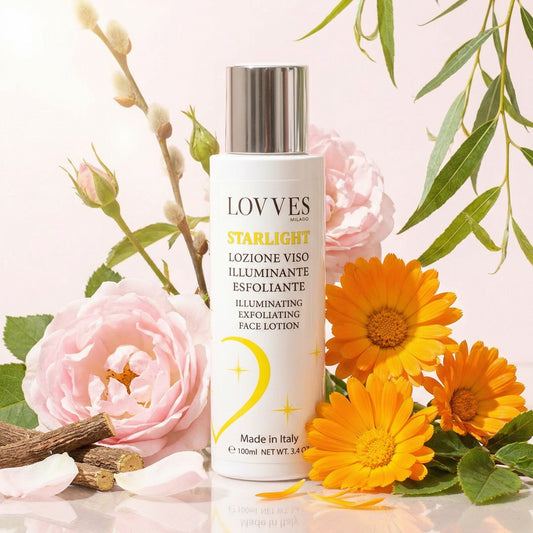
Illuminating Exfoliating Face Lotion
68 recensioniRegular price €31,70Regular price€42,30Sale price €31,70Sale -
Anti Pimples Skincare
60 recensioniRegular price €72,90Regular price€121,50Sale price €72,90Sale