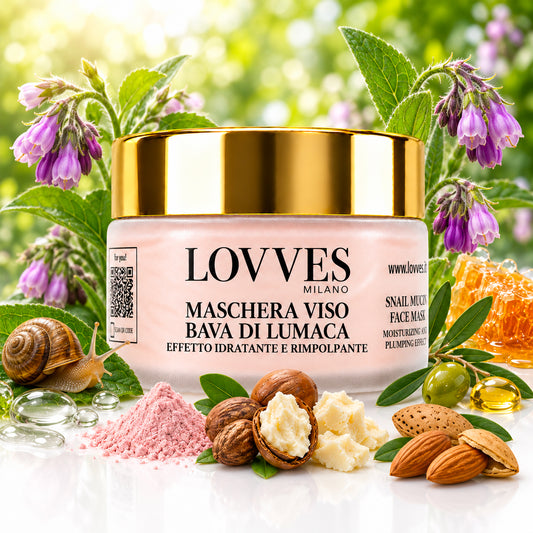
Using honey on the face for wrinkles can make the skin temporarily softer, more comfortable, and appear slightly smoother thanks to its humectant effect. However, it does not erase wrinkles, does not produce results comparable to dermatological treatments, and does not replace sunscreen. It can be an occasional mask if the skin tolerates it, with some important precautions.
Why honey can make the skin look smoother
Honey is a substance rich in sugars that tends to retain water. When applied and then rinsed off, it can leave the skin feeling more hydrated and less rough. When the surface layer of the skin is well hydrated, fine lines caused by dryness may appear less visible for a short time. This is a cosmetic, superficial effect, not a lasting change to the skin’s structure.
The viscous texture of honey also allows for gentle massage during application and rinsing. For some people, this ritual can be pleasant, especially during colder months or when the skin looks dull. The result depends on the initial condition of the skin barrier, the formula of the products normally used, and individual sensitivity.
It is helpful to distinguish dehydration lines from deeper wrinkles. The former may appear less pronounced after using a good moisturizer; the latter are also linked to facial expressions, UV exposure, the natural reduction of collagen and elastin, and genetic factors. A honey mask cannot significantly affect these processes.
The limits of honey as an anti-wrinkle remedy
There is no reason to consider honey a complete anti-aging treatment. The fact that it is a natural ingredient does not mean it has proven effectiveness in reducing established wrinkles or preventing photoaging on its own. In addition, honey intended for food use is neither formulated nor tested as a cosmetic designed to remain on facial skin.
If the goal is to maintain more even-looking skin over time, consistency and protection are priorities. A moisturizer suited to your skin can support daily comfort, while a broad-spectrum sunscreen used correctly helps limit exposure to UV rays, one of the main external factors associated with visible aging.
For more targeted changes, cosmetic products containing retinoids, vitamin C, or peptides may be considered, introducing them gradually and choosing them according to tolerance. Retinoids, in particular, can cause irritation and are not suitable for everyone: during pregnancy or breastfeeding, it is advisable to ask a doctor or dermatologist for advice before use. No household ingredient should replace a professional evaluation when wrinkles, dark spots, or irritation are a significant concern.
How to apply honey to the face cautiously
If you wish to try it, it is preferable to use plain honey, without added fragrances, essential oils, or other kitchen ingredients. There is no need to leave it on for a long time: a brief application followed by gentle rinsing is enough to find out whether it gives the skin a pleasant feeling. Avoid applying it to broken, sunburned, actively eczematous, or very irritated skin.
- Cleanse your face with a gentle product and pat it dry without rubbing.
- Before using it on the face, test a small amount in the crease of the elbow or behind the ear. Observe the area over the next 24-48 hours.
- If burning, itching, swelling, or redness do not occur, apply a thin layer to the face, avoiding the eye area, lips, and hairline.
- Leave it on for about 5-10 minutes, without massaging vigorously.
- Rinse with lukewarm water and gently remove all residue.
- Then apply a simple moisturizer. During the day, complete your routine with a suitable sunscreen.
One or two occasional applications are more than enough for those who enjoy this habit. Increasing the frequency or leave-on time does not make honey more effective against wrinkles and may become uncomfortable, sticky, or irritating for some skin types.
Who should avoid it or take particular care
Honey can cause reactions in people sensitive to bee products, pollens, or certain plant components. A spot test reduces the risk of immediately applying the product to the whole face, but it does not rule out every possible reaction. Stop using it and rinse thoroughly if you experience intense tingling, burning, persistent itching, hives, or swelling.
Those with rosacea, dermatitis, inflamed acne, or a compromised skin barrier should be more cautious with DIY remedies. Even an apparently gentle substance can worsen already reactive skin. In these cases, a basic routine with products formulated for sensitive skin is often a more predictable choice; a dermatologist can recommend appropriate options if discomfort persists.
Do not use honey to treat wounds, infections, deep pimples, or medical skin conditions. Honey for household use is not equivalent to sterile products that may be used in specific healthcare settings. These are different situations and require professional guidance.
Mistakes to avoid in DIY masks
The most common mistake is turning a simple honey mask into an aggressive mixture. Adding lemon, baking soda, sugar, salt, or essential oils increases the risk of irritation. Scrubs with granules can create unnecessary friction, while lemon can sensitize the skin and make sun exposure more difficult to manage. For a face with fine lines, gentleness is more useful than vigorous exfoliation.
- Do not apply hot honey: it could irritate the skin or cause a minor burn.
- Do not leave it on overnight, especially on sensitive skin.
- Do not use it immediately after scrubs, waxing, shaving, or exfoliating treatments.
- Do not persist if the effect is sticky, unpleasant, or leaves the skin red.
- Do not skip sunscreen thinking that a natural mask protects against skin aging.
A more helpful routine for preventing visible wrinkles
Honey can remain an occasional comfort step, but more realistic cosmetic results come from simple daily habits. In the morning, non-aggressive cleansing, a moisturizer if needed, and broad-spectrum sunscreen provide a good foundation. In the evening, cleansing gently and applying a moisturizer helps support the skin barrier.
If you want to add an anti-aging active ingredient, introduce only one product at a time. A cosmetic retinoid can initially be used a few evenings per week, following the product instructions and alternating it with a moisturizer if dryness appears. Vitamin C is often chosen for a morning routine, but it should also be assessed based on sensitivity. Consistency and tolerance matter more than a lengthy routine.
For pronounced wrinkles, loss of elasticity, or specific goals, a dermatologist can explain which cosmetic or medical options are realistic for your case. Honey is not a miracle solution, but it can have a limited and pleasant place in a routine that remains cautious, essential, and well protected from the sun.
Frequently asked questions
Does honey eliminate facial wrinkles?
No. It can temporarily hydrate the surface layer of the skin and make some dehydration lines less noticeable, but it does not eliminate wrinkles or durably alter collagen, elastin, or expression lines.
How long should honey be left on the face?
For an occasional cosmetic trial, about 5-10 minutes are generally sufficient. A longer leave-on time offers no proven anti-wrinkle benefit and may be less comfortable, especially for reactive skin.
Can I use honey and lemon for dark spots and wrinkles?
It is better to avoid this DIY combination. Lemon can irritate and sensitize the skin, with possible worsening of redness or discoloration in some people. For persistent dark spots or skin changes, ask a dermatologist for advice.